My friend Roshni, who I might have mentioned once or twice (she has been one of the nicest refound friends on Facebook) shared a link with me for the Rare Book Society of India. It is one of the most enchanting sites, publishing in PDF form or linking free library sites, old books, texts and pictures. The books range from ancient Vedic texts to the thoroughly unPC geography text written by a Victorian governess, all fascinating and thought provoking. There are only 4,500 members which makes it all seem rather exclusive and special - and as far as I can tell - it is the work of one dedicated man. I love the status reports and look forward to them everyday.
As some of you may have noticed I have been a little bilious of late; things are improving and having these lovely old books at my fingertips has played a part in this. Yesterday, I noticed a new/old book from the Rare Book Society called the Singing Caravan: A Sufi Tale and, as usual got the PDF to read later - I do love what technology does, it is only when it goes wrong that I become a Luddite. Anyway, later came and I started flick through my downloads, found the book and thought this looks familiar. Then I started to read it. Just be grateful that I am not Proust. we could be looking at three volumes if I was.
Centuries ago when I was still the small baba, my mother began to develop her passion for antiques. Where better than Calcutta at that time? The big overseas dealers hadn't realised what was there and the local dealers had some idea, but still there were bargains to be had, For her there was no greater heaven than a morning in Chore Bazaar followed by days of sanding and polishing and refurbishing to reveal the hidden treasure. The climate meant that Calcutta was not kind to antiques, so amny books and pictures had the fine bloom of mold on them from the constant humidity. Her two great loves were wood and porcelain. She collected blue and white, Staffordshire and anything Chinese she could lay her hands on. When it came to wood she had a gift of seeing below the surface to reveal something extraordinary so that dusty old drawers reappeared as beautiful campaign chests and chairs covered in paint were revealed to be gentle Regency aristocrats waiting to be loved again.
She was absolutely not alone in this and her greatest pleasure would come from beating one of her friends to the treasure. She and Annabel's mother Maureen had many a tustle over different pieces and I think in the end the honours were about even. Then she discovered, out in Garden Reach (sorry to digress, but what a name) a lady called Mary Demetrios whose husband had just died and who was selling up many of his pieces before leaving India for Greece. It was like Aladdin's cave, a house that was frozen in moment in time, full of 'wonderful things'.
MUm bought what she could but money was never unlimited and sometimesI think we went simly for her to touch and stroke the objects of desire. She took Chogyal and Hopela when they came down from Gangtok and was livid when Hope then introduced her antiques dealer, Malcolm Sookias, to Mary. Suddenly the slow progress of things leaving that house became a flood and all too soon the cave of wonders began to look very empty.
There were two pieces that my mother wanted: a three fold screen that was inset with pot lids, all hand painted in the potteries and then shipped out to India as lids ot potted meat and Gentlemen's Relish. It was a thing of beauty and looked lovely in the palace in Gangtok. The other piece was a classic famille vert Chinese pot with a dragon and a phoenix chasing each each other in an eternal dance through an airy chrysanthemum garden that ebbed and flowed around its bulbous sides. It must have originally been part of a pair but its partner had long been consigned to someone else's history and it stood lonely and rather majestic waiting for its new home.
Partly, I think, in thanks for the stream of buyers that had passed through the old house Mum was allowed to buy the pot on instalments. She somehow rigged the cookbook (and if you are not sure what that was - it is whole other blog, believe me) and was able to pay every fortnight. I seem to remember a lot of Macaroni Cheese about this time.
The time came for Mrs Demetrios to leave and for my mother to make our final trip out to Garden Reach and, having made the final payment, collect her pot. We were made very welcome and soon both women were chatting away and looking at the last things that were being shipped either to Gangtok or, by Malcolm, to London and New York. How passing strange that these objects should cross the seas to India for the delectation and delight of the Raj and now be returned to Europe for another generation of wealthy collectors. It seemed almost a metaphor for the Impact of British India on the subcontinent; such a short time of attempted assimilation in the long time line that dated back to Mohenjo Daro and the Indus Valley civiisations. India had behaved like a lady, she had been plundered but did not plunder in return, rather returned the remnants of her lovers' goods with courtesy and a faint disdain.
My small baba's mind was probably not making such a coherent point but something similar was going through it as I kicked the pebbles around the hot and dusty garden and wondered balefully why there was all this fuss about 'stuff' that, my beloved Miss Jagtiani had told me, was but a brief smudge upon the glory and longevity of Indian art and culture. I was too young to see that history is a river that rises and falls, sometimes in flood and sometimes in drought but continuous and eternal from the mountains of yesterday to the sea of tomorrow.
As we were finally about to leave and I was receiving my farewell 'auntie' kiss Mrs Demtrios handed me a package. A book. It was, she said, one her son Johnnie had loved as a child. It was called The Singing Caravan: A Sufi Tale.
My Books
- John Donne (my best)
- Shakespeare
- Anything by Terry Pratchett
- Lord of the Rings
- The Little White Horse
- Wind in the Willows
- Secret Garden
Showing posts with label Sikkim. Show all posts
Saturday, 14 August 2010
Thursday, 5 August 2010
LIFE AND DEATH
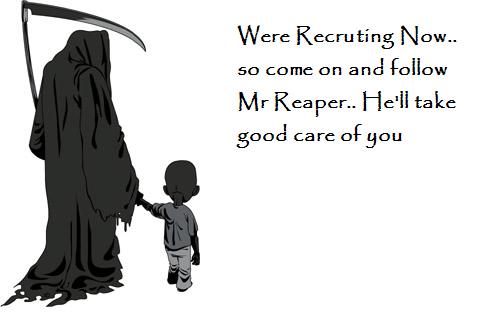
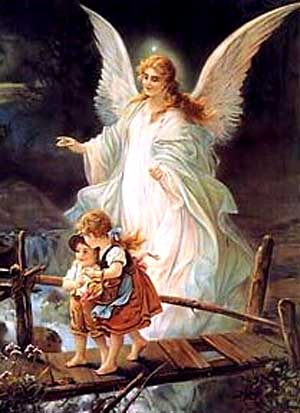
These two images represent our Western European way of anthropomorphising Death. So is using the capital letter. The big D. Death comes as a man draped in black with a sickle to cut away the soul or as a lovely lady angel with her wings sheltering the children as they leave life.
Auntie Annie refused point blank to believe in an after life and this after a lifetime spent in the mountains where death and rebirth are the expected norm. At night from the veranda of the hotel you could look across the valley to the hills on the other side. No tracks or villages there and yet every night almost dancing lights could be seen across the mountainside. The hill people were sure that these were spirit lights, souls travelling to their next incarnation. Annie would have none of it - poachers or thieves - they know the superstitions and so know there will be no-one brave enough to take them on. And she would turn away and pour everyone another large Scotch. My mother, who was always witchy , used to look and say to me, " I'm not so sure." On one of her 'picnics' with the General they crossed the valley and she came saying that were no pathways, no sign of people anywhere that could explain the lights. Annie would have none of it. Today, what we did today was all that counted.
As a child this quite frightened me: if I am honest it still does. That this is all, there is no other purpose than to evolve. I love the concept of Carpe Diem and I try very hard to practise it but still... something more surely.
An American friend came to visit, Migla, and Chogyal arranged a trip to the Nathu La for her, Annie and Vicky. They were to stay the night at a Dak Bungalow just below the pass and rise to see, "jocund day stand tiptoe on the mountain top." (Shakespeare).
It had been a a tiring day and a long drive and then walk to the bungalow. The three ladies had a drink and a light meal and settled themselves down for the night. They had with them only a driver and their bearer Kancha. These two opted to take the jeep back down to the nearest village and sleep there leaving the three quite happily alone on the edge of Tibet at a height of about eight and half thousand feet.
Annie woke with a jump: she thought she had heard the latch on her door. She sat up and lit the candle by the bed. At the end of her bed stood a smiling lama. A Bhutia she thought, and smiled back a little uncertainly. She may have been 72 and he may have been a lama but she felt a faint chill of fear and uncertainty.
She said later that she was not afraid after that first moment of concern. He smiled at her giving the Tibetan with his tongue out so she could see he was not a demon. They looked at one another for awhile and then she said he began to fade. He smiled again and walked away through the closed door.
Both MIgla and Vicky agreed that they were completely alone. When Kancha and the driver returned in the morning they admitted that they had slept in the village because the stories were that the bungalow had been built on a monastery and many lamas had been seen.
As adamant as Annie had been that there were no ghosts she now became even more adamant that she had seen a ghost and that he had come to her specifically. Strangely she then admitted that she had always feared death but the lama had given her comfort. It was a remarkable volte face for a practical, intelligent woman who had vehemently held the opposite view for all of her adult life.
Some three years later Annie died. Her body was tired and she missed Frank. She didn't fight very hard. It was decided she must have a funeral worthy of such a remarkable lady. Vera and Vicky chose a beautiful new nightdress from Saks that Migla had bought Annie for Christmas that year and dressed in this surrounded by marigolds she was carried down to the ghat to be cremated. All religions were represented, her brother Jo worked at the Kalimpong Homes so there was Calvinist minister, the Swiss brothers (Franciscan) who made the cheese, the chief Brahmin, the Abbot and lamas from the gompa and most of Kalimpong. She lay serenely on her pyre and Desla, as honoury son was given the torch to start the cremation. All was going well until someone noticed that Annie was not burning. The nightdress, you see, was flame retardant. The pyre had to be put out and Annie carried back up the hill to be redressed in something a little more flammable. As Desla said, Annie's last joke. And we could laugh all of us because it sort of confirmed her smiling lama story that there was really nothing to fear.
If I ended there you would have a ghost story with a moral: never try to burn someone in flame retardant polycotton. But I can't end it there. There is another part to this story and it is the bit that many of you will shake your heads and say, oh dear, she's lost the plot a bit. I won't apologise and I will admit that this next bit sounds, to use the mountain word, lata.
From as far back as I can remember I have had a recurring dream. In it I am walking up a winding mountain path. At the top and beyond is a beautiful, tranquil, green valley. In the dream I am never alone, always with someone, and when we reach the top they turn me to face down the mountain and watch me waving as I leave them. It is always someone different, someone I love and care about and when I wake I know that they have into the valley and are no longer here with us: they are dead. The first time I remember having it was when my mother's beloved Aunt Kathleen died. I didn't say anything because it very personal and I assumed that she had come and said goodbye to my mother too.
Some years later I had the dream but this time with Desmond, and we didn't make all of the climb. He told me he was going to rest for a while and to go back, he would be alright. I woke up and ran into Mum's room demanding she phone him. She was bemused but I was so insistant that she did. He was having a heart attack and because of me my father was able to get to him and save his life. The dreams came when Annie died and darling Vicky. And when Desmond really did leave us I walked with him to the top of the hill and knew some day before his obituary appeared in the newspapers. Mum always said, "If I go up there and send you away don't tell me. I don't want to know." She was very afraid of death. As it happens I didn't dream her going, but then I had anticipated it for eighteen months and on the day itself I knew without a shadow of doubt that she was leaving me. And she did.
The only other time the dream failed to manifest itself was when my brother in law died leaving my sister a widow at 39 with two little girls under thirteen. After the funeral I dreamt about him, not in the valley, but in his garden standing beside me watching his girls through the window. He made me promise to look out for them.
After Mum died I couldn't feel her, couldn't reach her. And I wanted more than anything in the world to be able to speak to her, know that she was alright. I wanted to know that she had reached the valley and all was well. There was nothing. Alain, a darling friend adopted by Mum at twenty, felt her all the time. My sister did. Me - nothing. I was pretty firmly heading for the Annie Perry view. This was it and she was truly gone forever.
As most of you know I had a breakdown and had to stop teaching: with loss comes loss. I did the full bereavement counselling thing and managed to appear as a reasonably functioning recovering depressant.
And then one night I was walking up the mountain and on the crest of the hill she was waiting for me. She had with her a little green MG and we drove down into the valley and I asked was this it, could I stay? Not yet she said: this is to show you that you can stop worrying. She took me to a, not a house, more like a pavilion, with canals of blue water and silken hangings in different colours. All of the dogs were there; I met Jumbo her first dog. I can't tell you what we talked about, everything and anything. She said I had to let her go - there was so much here she wanted to do and that she and Desmond had talked about it and they thought they would rather like to come back and give it another go.
And then we got into the car and drove round the valley very fast until we reached the ridge again. She hugged me and told me she loved me and to wait for she would always find me. And then she laughed and said Annie's Lama is here - he is a lovely man and all the aunties love him.
Freud, Jung of course I know that it sounds like wish fulfilment. Maybe it was but in the dark of last year's winter Anna had a daughter. While I was homeless and sofa surfing Katy Joy arrived. And you can laugh and scoff and say I'm ad but that little girl knows me as well as I know her.
So you see Annie was right, we are sent markers to help us see. We just have to remember to keep our eyes, both of them and the third, open.
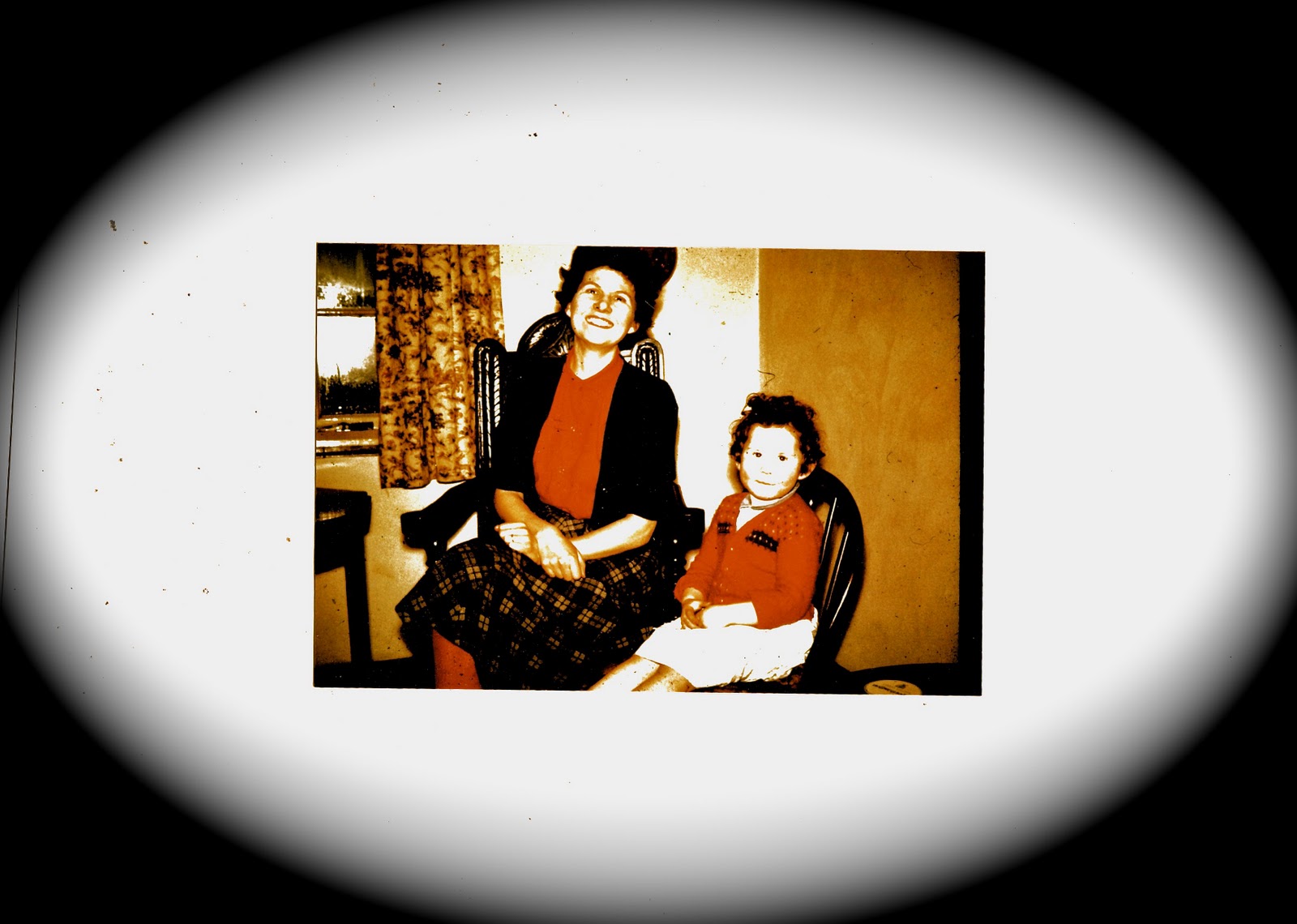
There really is only one image I could end this on tonight and I am sorry that it is a repeat but it says it all.
![]() |
a
Related articles by Zemanta
- Sikkim travels: Discover the highlights of this beautiful state (mahindrahomestays.com)
Tuesday, 3 August 2010
My Mother the Spy
![]() |
| Me and Mum |
It all culminated in the Alipore police station where she was held for twelve hours in one room with Desmond in another and they were repeatedly and furiously questioned about US and UK involvement in the Free Tibetan Army: in the case of Mum she was accused of leaking highly secret military information to the UK government. Desmond's lists of charges went back to his time with the Gurkhas. He was accused of misinforming Indira Gandhi when he accompanied her to Bhutan.
As far as those of us at home were concerned: Mum had gone shopping and Des was at work. It was only at two o'clock when Mum's driver, George turned up almost in tears, "It is Maaam and Desmond, they have been taken to the thana. I have only just been allowed to come - tell Sahib I think it is bad" The phone lines went into meltdown between Lord Sinha Road, father's office, Minto Park, Desmond's flat, and Ho Chi Minh Sarani (the Yanks had their consulate there too - a municipal joke) to the British High Commission.
After a really terrifying few hours they came home both had a huge whisky and tried to explain or understand what they had done. Dad was livid with Mum, as much with worry and fear. Desmond, who had angina, looked grey. The laughs and jokes of the trip to Sikkim a few short weeks before seemed to have a heavy echo. For all any of us knew we could have been on the next flight out leaving Mum and Desmond in gaol awaiting trial. It was real and scary.
Anyone less like Mata Hari, (on the right here) would be hard to find, whilst thinking that she superbly discreet and able to extract anything form anyone with a flick of her eye and puff on her cigarette holder; the truth was she was charming, could be devastatingly attractive, was wonderful company and a great conversationalist. Major assets for any women but a femme fatale she was not.
But, and here's the thing, certain events in the 60s that she and Desmond were involved in could be viewed by those with suspicious minds as deeply murky.
Now this part of the story involves a little discretion from me. One of the characters if not still alive has children who know nothing of this so the of the remainder of this he will be simply known as the General. Also the American and English diplomats will only be known as their nicknames, microphone for the American and Mr. G for the Brit. The French don't come into this but you know their names already. And the Russians, they had their own spies and paranoia. Although an upside of all of this for my father was that he became the Eastern Bloc doctor for a couple of years. Completely of the subject, that was how I saw the Bolshoi from the front row of the stalls - twice.
Why were they thought to be spies? In Desmond's case it was not strictly true but he certainly was the go to man for information on the peoples and politics of the mountain kingdoms. Every new 'Cultural Attache' would invite him to dinner, cocktail parties etc etc with the aim of making sure their communication lines were open. The microphone went out of his way to woo Desla, even the magic US passport was dangled at one stage. The British expected rather more for considerably less, a couple of scotches and some 'papers' that he could us to travel with to see his family in the UK. MY theory, and it will never be proved one way or another was that his emotional loyalty was to the hill people and anything that could go some way to righting the terrible wrongs of the Chinese invasion of Tibet should be done. And if that meant being jolly with two of the biggest bores ever to walk the planet, then he would be and did so. In so many ways they should have listened to him rather than simply using his connections to set up whatever it was they were. i know, not from Desmond or my mother, that the American army were still training young Tibetans in guerrilla tactics as late as 1972.
This next part is hard because I am revealing the clay feet of my idol. I am sure that as you have read this you have been aware that my father appears rarely and when he does so normally in a fury. Much of what you are reading is written as I understood things then. I knew that theirs was not a happy marriage and I knew my mother adored Desmond. Because Desmond's sexual inclinations were very clear and normal to me at an early age I knew there was never any physical relationship between them and I assume my father did too. I know that from the time I was about eight they had separate rooms but as a child this does not seem odd.
When we started going to Kalimpong it was for holidays, to escape the heat and laugh with the aunties and we would all go, Mum, Dad, Janie and me. Latterly though my father would excuse himself too much work, sick patients that needed him. And then KalimpongNathu La,
This otherworldly break in the mountain chain was one of the ways it was felt most likely the Chinese would come sweeping down into India. A high ranking General had been put in charge to oversee troop deployment and prepare should the worst happen. This is not some panicked thinking by a government seeing reds under the beds. This was at the height of Vietnam, Laus, Cambodia. The whole of the near and far East could fall like dominoes to a Communist super power that made Stalinism look cosy, still does. So the General has a very important, very top secret job.
Enter my mother, Joyla, just about to become forty, unhappily married, in love with one of the queens of the East and must have felt unwanted and undesirable. She met the General, of course he knew the aunties, and that was as they say that. For a year they had a glorious physical full on affair. She acted as hostess at mess dinners. He drove all over the mountainsides in his jeep and they would return with her cheeks glowing and her eyes sparkling like black jet beads. Auntie Vicky explained. "You see dear, you have your little friend Tenzing and you go out to play. Your mother needs someone to play with too sometimes, let her have her fun. You will understand one day. " Because Auntie Vickie was wise and my auntie I accepted it. Mum had a friend.
Desla didn't. He arrived full of icy anger. They fought bitterly. Doors were slammed and it seemed all was past repair. She was going to dinner at the Mess that night and came and me kissed goodnight, always smelling of Madame Rochas or Chanel No.5. I can't remember what she was wearing but her eyes were very bright, as if she had been crying. "I think we might go home tomorrow," she said and gave me hug like always. And, like always, "Night night Dumsy, I love you." and the reply,"Not as much as I love you." And then her high heeled shoes clicking down the stairs. As I lay in the firelit bedroom I heard Desmond's door open. And I crept out of bed to listen.
There was some mumbling, and laughing and then I heard clearly, "Enjoy it now Joyla but it can't be forever. But darling I do understand." Then there was noise and I scuttled back into bed.
I suppose rationally, between them, they had managed to make themselves look suspicious. Not long after this was the interrogation day and the verdict passed along from the secret police - no more visa for sensitive areas for either of them, ever again. No Kalimpong, no Sikkim, no Bhutan. Exile from the mountains that hurt far, far more than the loss of a lover.
It was July and very, very hot. Desmond phoned and asked if we would like to go on a picnic. Lovely, we would be at Minto Park in about an hour. Should we bring anything? No, just but be prepared for a lot of walking.

We went up in the lift to the eighth floor where we were greeted by a sign asking us to dress in the appropriate garments and shoes, these where mountaineering jackets and boots. Above us flew hundreds of prayers flags and in front of us, on the eighth floor of Minto Park, overlooking Bowanipur Cemetery) was a base camp! Two tents, a rubber ground mat, sleeping bags to sit on and a camping gas stove in the middle boiling water merrily away. Also spread around handily were a couple of bear skins in case we got cold. It was 102 outside.
He cane and gave us those wonderful bear hugs. "So Joy, if we can't go to the mountains: then they come here to us."
And on that they did. And we never once felt anything but high in the thin cold air.
Anyone less like Mata Hari, (on the right here) would be hard to find, whilst thinking that she superbly discreet and able to extract anything form anyone with a flick of her eye and puff on her cigarette holder; the truth was she was charming, could be devastatingly attractive, was wonderful company and a great conversationalist. Major assets for any women but a femme fatale she was not.
But, and here's the thing, certain events in the 60s that she and Desmond were involved in could be viewed by those with suspicious minds as deeply murky.
Now this part of the story involves a little discretion from me. One of the characters if not still alive has children who know nothing of this so the of the remainder of this he will be simply known as the General. Also the American and English diplomats will only be known as their nicknames, microphone for the American and Mr. G for the Brit. The French don't come into this but you know their names already. And the Russians, they had their own spies and paranoia. Although an upside of all of this for my father was that he became the Eastern Bloc doctor for a couple of years. Completely of the subject, that was how I saw the Bolshoi from the front row of the stalls - twice.
Why were they thought to be spies? In Desmond's case it was not strictly true but he certainly was the go to man for information on the peoples and politics of the mountain kingdoms. Every new 'Cultural Attache' would invite him to dinner, cocktail parties etc etc with the aim of making sure their communication lines were open. The microphone went out of his way to woo Desla, even the magic US passport was dangled at one stage. The British expected rather more for considerably less, a couple of scotches and some 'papers' that he could us to travel with to see his family in the UK. MY theory, and it will never be proved one way or another was that his emotional loyalty was to the hill people and anything that could go some way to righting the terrible wrongs of the Chinese invasion of Tibet should be done. And if that meant being jolly with two of the biggest bores ever to walk the planet, then he would be and did so. In so many ways they should have listened to him rather than simply using his connections to set up whatever it was they were. i know, not from Desmond or my mother, that the American army were still training young Tibetans in guerrilla tactics as late as 1972.
This next part is hard because I am revealing the clay feet of my idol. I am sure that as you have read this you have been aware that my father appears rarely and when he does so normally in a fury. Much of what you are reading is written as I understood things then. I knew that theirs was not a happy marriage and I knew my mother adored Desmond. Because Desmond's sexual inclinations were very clear and normal to me at an early age I knew there was never any physical relationship between them and I assume my father did too. I know that from the time I was about eight they had separate rooms but as a child this does not seem odd.
When we started going to Kalimpong it was for holidays, to escape the heat and laugh with the aunties and we would all go, Mum, Dad, Janie and me. Latterly though my father would excuse himself too much work, sick patients that needed him. And then KalimpongNathu La,
This otherworldly break in the mountain chain was one of the ways it was felt most likely the Chinese would come sweeping down into India. A high ranking General had been put in charge to oversee troop deployment and prepare should the worst happen. This is not some panicked thinking by a government seeing reds under the beds. This was at the height of Vietnam, Laus, Cambodia. The whole of the near and far East could fall like dominoes to a Communist super power that made Stalinism look cosy, still does. So the General has a very important, very top secret job.
Enter my mother, Joyla, just about to become forty, unhappily married, in love with one of the queens of the East and must have felt unwanted and undesirable. She met the General, of course he knew the aunties, and that was as they say that. For a year they had a glorious physical full on affair. She acted as hostess at mess dinners. He drove all over the mountainsides in his jeep and they would return with her cheeks glowing and her eyes sparkling like black jet beads. Auntie Vicky explained. "You see dear, you have your little friend Tenzing and you go out to play. Your mother needs someone to play with too sometimes, let her have her fun. You will understand one day. " Because Auntie Vickie was wise and my auntie I accepted it. Mum had a friend.
Desla didn't. He arrived full of icy anger. They fought bitterly. Doors were slammed and it seemed all was past repair. She was going to dinner at the Mess that night and came and me kissed goodnight, always smelling of Madame Rochas or Chanel No.5. I can't remember what she was wearing but her eyes were very bright, as if she had been crying. "I think we might go home tomorrow," she said and gave me hug like always. And, like always, "Night night Dumsy, I love you." and the reply,"Not as much as I love you." And then her high heeled shoes clicking down the stairs. As I lay in the firelit bedroom I heard Desmond's door open. And I crept out of bed to listen.
There was some mumbling, and laughing and then I heard clearly, "Enjoy it now Joyla but it can't be forever. But darling I do understand." Then there was noise and I scuttled back into bed.
It was July and very, very hot. Desmond phoned and asked if we would like to go on a picnic. Lovely, we would be at Minto Park in about an hour. Should we bring anything? No, just but be prepared for a lot of walking.
We went up in the lift to the eighth floor where we were greeted by a sign asking us to dress in the appropriate garments and shoes, these where mountaineering jackets and boots. Above us flew hundreds of prayers flags and in front of us, on the eighth floor of Minto Park, overlooking Bowanipur Cemetery) was a base camp! Two tents, a rubber ground mat, sleeping bags to sit on and a camping gas stove in the middle boiling water merrily away. Also spread around handily were a couple of bear skins in case we got cold. It was 102 outside.
He cane and gave us those wonderful bear hugs. "So Joy, if we can't go to the mountains: then they come here to us."
And on that they did. And we never once felt anything but high in the thin cold air.
Related articles by Zemanta
- INDIA: Indira Gandhi's Dictatorship Digs In (time.com)
Sunday, 1 August 2010
"My dear, what are you doing here?'
This one is for Nafisa who reminded of the story because of a picture of her and Kabir Bedi, Frida's son.
On our journey to Sikkim Desmond had withheld from my mother his real reason for the visit for him. We were all very friendly with the French Consul Monsieur Bernard and his Cultural Attache, Alain Werbrouck. Indeed the 14th July party was by far the best of the diplomatic 'dos' with delicious champagne and yummy nibbles. Back on track, a young hippy family had been dabbling in Buddhism, as was the style of the travellers of those days. They had a little boy who was recognised in the monastery as a reborn rimpoche. They agreed without thought to hand over the child and continued travelling. After a few years they returned to France, split up and the mother wanted her son back. Word was that the child was at Rumtek in Sikkim under the protection of the Karmappa Lama.
http://www.rumtek.org/mn/mn00.html
Desmond's plan was my mother, my sister and I would as a matter of course be taken to meet and be blessed by the Karmapa Lama and while this was happening he could look around and see if the child was there. We were also told to keep our eyes open as we were shown round the monastery to see if we could spot a blonde, blue eyed little lama.
Chogyal knew what Desmond was doing, it was not in his interest to have a diplomatic incident with the French that India would jump at coming in to solve. However, the Karmapa Lama is a very high lama indeed and Chogyal as an ex lama and devout Buddhist could do nothing overtly to even admit the child was in Sikkim. Hence the mission. Desmond was trusted by the French and of course by the Tibetans and the Sikkimese - a perfect negotiator.
We arrived at Rumtek - a most beautiful monastery just outside Gangtok and were duly taken to be blessed and given butter tea with the Karmapa Lama. He wanted to talk to Desmond, who had fingers in many pies, and so we were dismissed to explore the monastery with a guide.
As you can see there was rather a lot to see and childlike I soon got tired. I wish now I had looked harder; many, many exquisite and precious Tibetan works of art had been taken to the monastery when the Karmappa had taken up his residence in exile there. Never forget with a story of this nature the complexities of national identities and cultures. Tibetans were not allowed any form of passport, only refugee status. The border with China was close and India in my lifetime, had fought two wars against the Chinese. It was such a sensitive area and the high lamas were at great risk: the second holiest incarnate lama, the Panchen was living in China as a private citizen and also as the Chinese ace card in the hand in matters of religion in a theocracy.
Against this delicate background my darling mother decided to take matters into her own hands: Desla was obviously going to be kept in lengthy discussions, probably on purpose, so she asked our lama guide if there were any other foreign children in the monastery. Subtle she was not! He smiled very happily and beckoned us, " Come, come." There was an unmistakable swagger in her step as we followed him up flight after flight of stairs until we reached the roof of the building. He smiled again, "This way, come, come." And he pulled back a thin saffron curtain.
We were expecting a small fair French boy, what we saw was a very large annila (Buddhist nun) who was clearly neither Tibetan nor Indian. She was seated on mounds of cushions with beautiful thankas and images of the Buddha and incarnate lamas lit by butter lamps. She was in the full regalia of an annila, russet and saffron robes, bald head with her prayer wheel by her side and a large window that looked beyond the monastery to the valley below.
Never one to be overset by the unexpected my mother smiled her enchanting smile and said, "My dear, what are you doing here?" It is easier and will give you more clarity if simply give you her entry in Wikipedia cut and pasted below. That initial question was the start of a very long conversation most of which I did not understand. What I did understand was the her name was Frida Bedi.
In the 1930s, she moved to India. She participated in the Indian national independence movement and was arrested and detained with her children along with Gandhi as a satyagrahi. In 1952, she visited Rangoon where she learned vipassana from Mahasi Sayadaw, and Sayadaw U Titthila. In 1959, when the 14th Dalai Lama arrived in India along with thousands of Tibetans, she was asked by Nehru to help them and she was in charge of the Social Welfare Board. She dedicated her self to social activity and, she followed the guidance of the 16th Karmapa of the Kagyu School. She was the principal of the school for the young tulkus (including Chogyam Trungpa and Thubten Zopa Rinpoche) established by the Dalai Lama in Delhi and then in Dalhousie. In 1963, with Lama Karma Thinley Rinpoche and under the guidance of the Karmapa, she founded the Karma Drubgyud Darje Ling nunnery for Tibetan women in northern India. After the young tulkus' school stopped, Bedi went toRumtek in Sikkim, the seat of the Karmapa in exile. In 1966, she took sramaneri ordination by the Karmapa, and was given the name Gelongma Karma Kechog Palmo. She was the first Western woman to take ordination inTibetan Buddhism. In 1972, she took full bhikshuni ordination in Hong Kong. She accompanied the Karmapa on his first visit to the West in 1974. In 1971, a book she had written was published by Lama Anagarika Govinda's Arya Maitreya Mandala in Germany. She died in Sikkim, or in New Delhi,[2] in 1977.
On our journey to Sikkim Desmond had withheld from my mother his real reason for the visit for him. We were all very friendly with the French Consul Monsieur Bernard and his Cultural Attache, Alain Werbrouck. Indeed the 14th July party was by far the best of the diplomatic 'dos' with delicious champagne and yummy nibbles. Back on track, a young hippy family had been dabbling in Buddhism, as was the style of the travellers of those days. They had a little boy who was recognised in the monastery as a reborn rimpoche. They agreed without thought to hand over the child and continued travelling. After a few years they returned to France, split up and the mother wanted her son back. Word was that the child was at Rumtek in Sikkim under the protection of the Karmappa Lama.
http://www.rumtek.org/mn/mn00.html
Desmond's plan was my mother, my sister and I would as a matter of course be taken to meet and be blessed by the Karmapa Lama and while this was happening he could look around and see if the child was there. We were also told to keep our eyes open as we were shown round the monastery to see if we could spot a blonde, blue eyed little lama.
Chogyal knew what Desmond was doing, it was not in his interest to have a diplomatic incident with the French that India would jump at coming in to solve. However, the Karmapa Lama is a very high lama indeed and Chogyal as an ex lama and devout Buddhist could do nothing overtly to even admit the child was in Sikkim. Hence the mission. Desmond was trusted by the French and of course by the Tibetans and the Sikkimese - a perfect negotiator.
We arrived at Rumtek - a most beautiful monastery just outside Gangtok and were duly taken to be blessed and given butter tea with the Karmapa Lama. He wanted to talk to Desmond, who had fingers in many pies, and so we were dismissed to explore the monastery with a guide.
As you can see there was rather a lot to see and childlike I soon got tired. I wish now I had looked harder; many, many exquisite and precious Tibetan works of art had been taken to the monastery when the Karmappa had taken up his residence in exile there. Never forget with a story of this nature the complexities of national identities and cultures. Tibetans were not allowed any form of passport, only refugee status. The border with China was close and India in my lifetime, had fought two wars against the Chinese. It was such a sensitive area and the high lamas were at great risk: the second holiest incarnate lama, the Panchen was living in China as a private citizen and also as the Chinese ace card in the hand in matters of religion in a theocracy.
Against this delicate background my darling mother decided to take matters into her own hands: Desla was obviously going to be kept in lengthy discussions, probably on purpose, so she asked our lama guide if there were any other foreign children in the monastery. Subtle she was not! He smiled very happily and beckoned us, " Come, come." There was an unmistakable swagger in her step as we followed him up flight after flight of stairs until we reached the roof of the building. He smiled again, "This way, come, come." And he pulled back a thin saffron curtain.
We were expecting a small fair French boy, what we saw was a very large annila (Buddhist nun) who was clearly neither Tibetan nor Indian. She was seated on mounds of cushions with beautiful thankas and images of the Buddha and incarnate lamas lit by butter lamps. She was in the full regalia of an annila, russet and saffron robes, bald head with her prayer wheel by her side and a large window that looked beyond the monastery to the valley below.
Never one to be overset by the unexpected my mother smiled her enchanting smile and said, "My dear, what are you doing here?" It is easier and will give you more clarity if simply give you her entry in Wikipedia cut and pasted below. That initial question was the start of a very long conversation most of which I did not understand. What I did understand was the her name was Frida Bedi.
In the 1930s, she moved to India. She participated in the Indian national independence movement and was arrested and detained with her children along with Gandhi as a satyagrahi. In 1952, she visited Rangoon where she learned vipassana from Mahasi Sayadaw, and Sayadaw U Titthila. In 1959, when the 14th Dalai Lama arrived in India along with thousands of Tibetans, she was asked by Nehru to help them and she was in charge of the Social Welfare Board. She dedicated her self to social activity and, she followed the guidance of the 16th Karmapa of the Kagyu School. She was the principal of the school for the young tulkus (including Chogyam Trungpa and Thubten Zopa Rinpoche) established by the Dalai Lama in Delhi and then in Dalhousie. In 1963, with Lama Karma Thinley Rinpoche and under the guidance of the Karmapa, she founded the Karma Drubgyud Darje Ling nunnery for Tibetan women in northern India. After the young tulkus' school stopped, Bedi went toRumtek in Sikkim, the seat of the Karmapa in exile. In 1966, she took sramaneri ordination by the Karmapa, and was given the name Gelongma Karma Kechog Palmo. She was the first Western woman to take ordination inTibetan Buddhism. In 1972, she took full bhikshuni ordination in Hong Kong. She accompanied the Karmapa on his first visit to the West in 1974. In 1971, a book she had written was published by Lama Anagarika Govinda's Arya Maitreya Mandala in Germany. She died in Sikkim, or in New Delhi,[2] in 1977.
These two women, so different in outlook, and lifestyle became extremely good friends. Cemented by the fact the Frida's weak spot was chocolate and cake. It just so happened that Hopela had a fondness for the cheese made by the Swiss Fathers in Kalimpong, so one a month my mother would send two food parcels to Sikkim: one to the palace containing cheese and the other to Rumtek Monastery containing Flurys' chocolates and cake. In fact the cake had to also be added to Hopelas parcel after she tasted it on visit to the monastery.
The one punishment that I dreaded being mentioned was that I would be sent to Frida at her school for young nuns to learn about spirituality and self discipline. She informed my mother by letter many times that she thought both I and my sister would benefit enormously from such an experience. We may have laughed but there was always an uneasy feeling. Frida had extraordinary eyes that looked into your soul and, I have to admit, scared me more than a little.
Back on the day at Rumtek a breathless young lama appeared at the door and with shusshing and whispering they both turned to us, "Come, come quickly", our lama said looking most concerned. We made our farewells to Frida and were given her blessing and a scarf.
Down the stairs we went, wondering if Desmond had found the boy and we were being thrown out of the monastery in disgrace. At the entrance stood an incandescent Irishman, his normally warm blue eyes like chips of ice. As we neared him he turned on his heel and got into one of the waiting jeeps. Mum joined him and we were left to take the second. All the way back to Gangtok my sister and kept repeating, "My dear," and falling helplessly about with laughter. "Only Mum," she said, "only Mum could walk in to that room and behave as if she was meeting someone at cocktail party." And we laughed until we cried.
In the other jeep, I was reliably informed, there was icy silence. Finally Desmond turned to my mother and said, 'Bitch!" She took this as it was meant, a sign that they could talk. He was cross and fed up because everybody had got the whole situation wrong. The little boy was there - with his mother! Desla had met them both and all was well. He had then dismissed by the Karmapa Lama and went to see if he could find us. He had to wait over two hours. Mum didn't improve things with her tale of her new friend. Desmond was supposed to be the one to find the interesting people. By the time we all got back to the guest lodge they were screaming diabolical insults at one another and Janie and I could hardly speak for giggles. Every time they stopped for breath one or the other of us would say, "My Dear!" And the whole thing would kick off again. Such fun.
PS Do not click on Wikipedia and expect to be taken to more on the mountains - it is just an general html link - and Lily Allen has absolutely nothing to do with the story.
Related articles by Zemanta
- The battle over two rivals to decide the fate of Tibet (independent.co.uk)
- Dalai Lama celebrates birthday with supporters (dailycaller.com)
Labels:
Chogyal,
Desmond Doig,
Frida Bedi,
Karmapa Lama,
Rumtek,
Sikkim
Tuesday, 6 July 2010
DESMOND DOIG
I heard this story from both sides: Desla's and my mother's. Her version was that she was visiting a friend at the Harrington Nursing Home, in Calcutta. She was coming down the stairs and saw this man talking to Joyce the matron. She knew who he was - had read all his articles, had just finished the book he had written with Ed Hillary, 'High in the Thin Cold Air'. Desmond was in fact visiting a friend Bhanu Bannerjee who had lost some toes in the expedition to frost bite. She told that she knew she had to meet this man, and she flew down the stairs and acting somewhat like a Take That fan, grasped his hand and told him how much she liked his work and admired him. She said he looked a little disconcerted but said, "You must come and have coffee sometime." He then made his farewells and left. The next morning she arrived at his flat, very early, for coffee. He had been asleep, naked, and came to the door clasping the fur of blue bare to cover his modesty. From that moment on they were soulmates.
Desla told me the same story from his perspective. He said he had never seen anybody more alive in the moment than my mother that day at the Harrington. He was wary of memsahibs and so was polite but thought she would count having met him as enough. Memsahibs did not turn up for coffee at 9.30 and not blink an eye at a naked befurred mountaineer. She, however, did. He said that Joy was her name and the way she lived. Pure Joy.
For many, many years Calcutta thought they were lovers. I know I fought some strong battles with arrogant little expat schoolboys who thought to make fun of it. I certainly hit one. They were, of course, not. Desmond was not really a ladies man. Much to my mother's disappointment. She tried. Many times. As they grew older however she was happy to simply have his love. He said to me that if he had ever wanted a woman it would have been her.
Such a love story. So I grew up with a second father. A man of wit and intelligence, great charm, great talent. He was an artist, a journalist, a mountaineer and, when I did a google search last night, the term that kept coming up was 'renaissance man'. Perhaps one of the last.
Please understand that my father, although a little confused, was a good friend of Desmond's and there was never really any jealousy. The only time he put his foot down was with the release of 'Sergeant Pepper'. Desla had a party, a hippy party where we all dressed in bright florals and danced madly to 'Lucy in the Sky With Diamonds'. One of my father's pals was there, a very proper man Pierson Surita, and we pretended to take LSD by popping prettily decorated aspirin in our mouths. Pierson went straight to my father the next day and there was a fuss. But it was so funny - I remember the two of doubled over with laughter - thrilled at their own wickedness. At that time my mother didn't drink and I don't think I ever remember Desla having a drink. They were, as they said, "high on life".
There is too much to say in a blog: days on the river when the West Bengal government gave him a boat to go up river and sketch the old houses of the Raj, days in Kalimpong where a picnic would become an adventure, stories would be told. In Bhutan telling me about the Dzong in Pairo, climbing up to Taksung and finding an old lama who had sat for most of his life gazing at the perfect view for meditation. Parties, dancing - my mother and he doing the 'Calcutta Grind' at the Grand Hotel. As I am writing this my eyes are filled with tears: it was a golden time.
I could go on and on - the Statesman, the sketches,, 'An Artist's Impression, the founding of the Junior Statesman - India's first youth magazine. He was a remarkable, special and deeply loved man. When he died it was announced on the Free Tibet radio station. He was a mountain man and one of those golden people who are only given to us for a short time.
I had a dream about two years after the death of my mother where she came to me and told how happy she was, she and Desmond. But they rather thought they might return to us in a few years, there was more living to be done. I'm waiting.
Subscribe to:
Posts (Atom)